








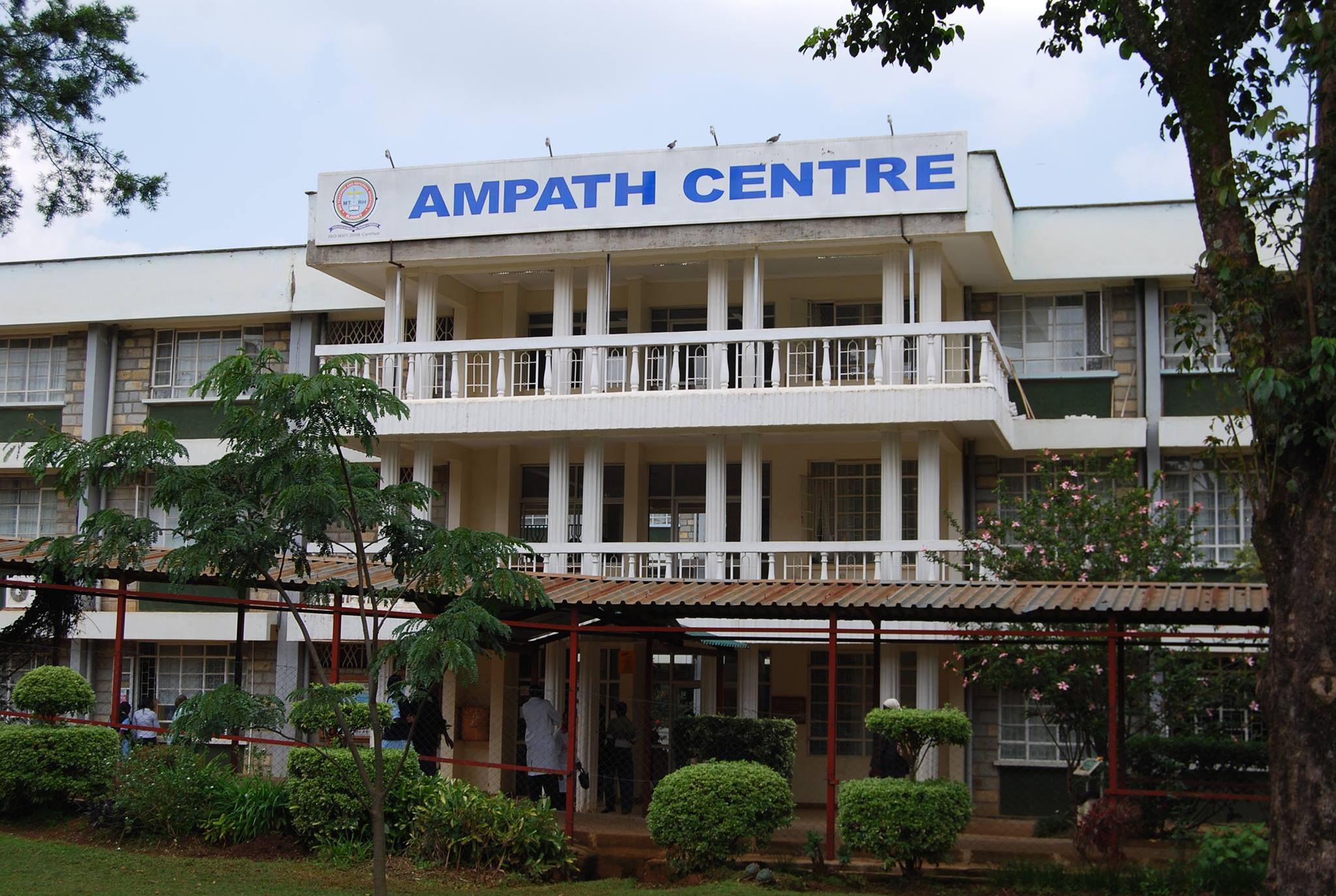
Indiana University has a longstanding foundational role in the Academic Model for Providing Access to Healthcare Initiative (AMPATH) based in Western Kenya. AMPATH is powered by Moi University, Moi Teaching and Referral Hospital and a consortium of North American academic health centers led by Indiana University working in partnership with the Government of Kenya. This consortium is uniquely situated to pursue a tripartite mission of care, training, and research, three components which are all essential for successfully addressing the short and long-term challenges of global health.
Since AMPATH’s inception, Health Information Technology (HIT) has been identified as a key innovation that drives and directly supports their overall healthcare mission.
Regenstrief Investigators began working within AMPATH in 2004 to develop patient record keeping systems that both improved the quality of care delivered and measure the consortium’s overall progress and efficiency. The AMPATH medical record system (AMRS) is a centerpiece of AMPATH Informatics and is a cornerstone of the initiative.
Currently deployed at the AMPATH center in Eldoret, Kenya and at forty other AMPATH sites in Western Kenya, the AMRS is one of the first and largest examples of an electronic medical record system in sub-Saharan Africa. To date, the AMRS has collected more than 200 million discrete clinical observations from 3.5 million AMPATH visits made by 800,000 enrolled patients. Stored data includes discrete data such as test results; patient descriptors such as symptoms, vital signs, and physical exam findings; and diagnoses and treatments from clinical encounters.
This robust backbone is at the heart of AMPATH’s strategy to create unique, globally accessible patient health records for each individual served by the initiative. A key strategy that drives significant economies of scale for AMPATH is an emphasis on data reuse. The same data that supports direct patient care is used simultaneously to make cohort and community-based aggregate inferences, for monitoring and evaluation tasks, as well as to promote a rich series of basic science, clinical and health services research activities.
Investgators: Johnathan Dick, MD, Burke Mamlin, MD
The Latest