





Published in Journal of the American College of Cardiology (JACC) CardioOncology. Here is a link to the article.
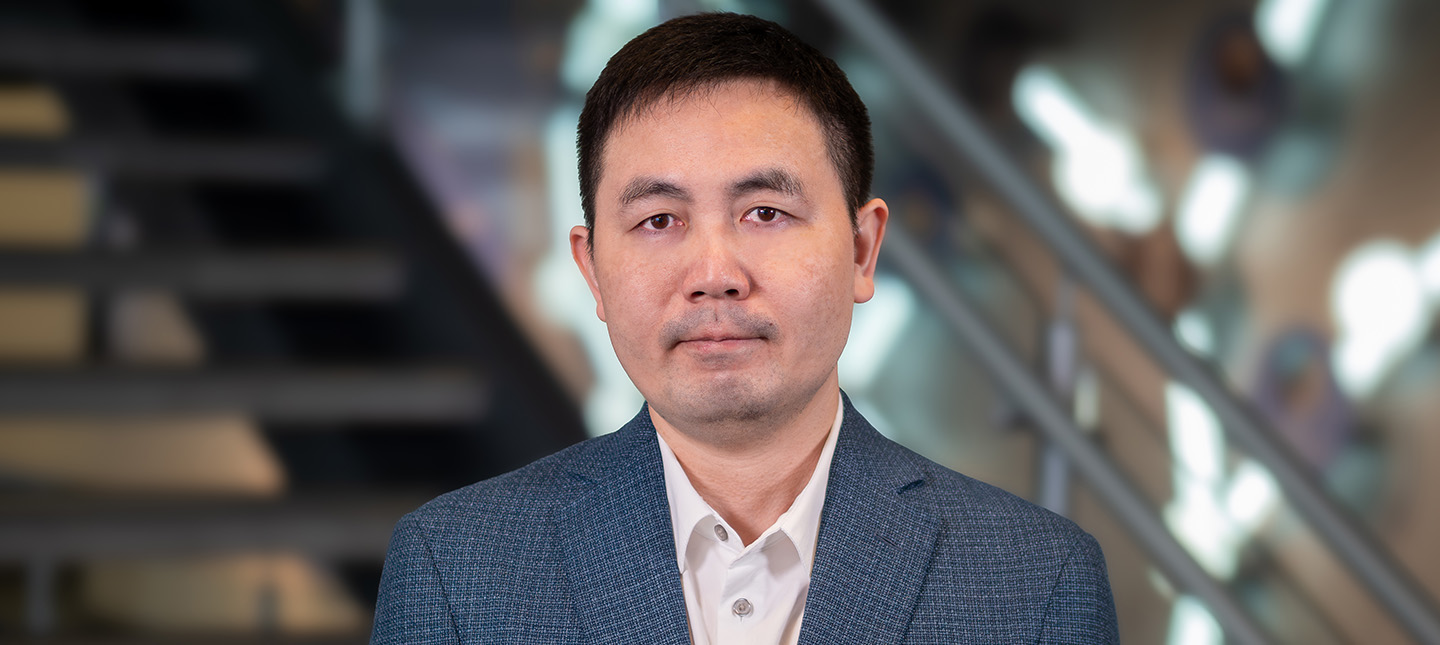
Regenstrief Institute authors: Jiang Bian, PhD
This study investigated the link between frailty and cardiotoxicity in female breast cancer patients receiving adjuvant therapy following surgery. Drawing on data from the OneFlorida+ clinical research network, researchers analyzed treatment and health records from 2,050 breast cancer patients treated with adjuvant chemotherapy and targeted therapy between 2012 and 2022. Frailty was measured using a cumulative deficit frailty index derived from electronic health records. The primary focus was on nonfatal adverse cardiovascular events occurring during treatment.
The findings revealed that more than 20 percent of patients experienced cardiovascular complications during adjuvant therapy. Cardiotoxicity rates increased with frailty: 17.8 percent in robust patients, 23.2 percent in prefrail patients, and 29.4 percent in frail patients. Multivariable analysis showed that both prefrail (adjusted subdistribution hazard ratio [sHR]: 1.35) and frail patients (sHR: 1.70) were significantly more likely to suffer cardiovascular events compared to robust patients.
Further subgroup analysis by race showed similar trends among non-Hispanic White and Black patients. Both prefrail and frail individuals in these groups had a significantly higher risk of cardiotoxicity than their robust counterparts. However, the association between frailty and cardiotoxicity was not statistically significant in other racial and ethnic groups.
The study underscores the importance of incorporating frailty assessments into cancer care, especially when planning adjuvant therapy for breast cancer patients. Close cardiovascular monitoring may be crucial for frail and prefrail patients to reduce the risk of cardiotoxicity. These findings support more personalized risk management strategies to improve health outcomes in this vulnerable patient population.
Authors
Shuang Yang 1, Xiwei Lou 1, Mustafa M Ahmed 2, Stephen E Kimmel 3, Karen C Daily 4, Thomas J George 4, Carl J Pepine 2, Jiang Bian 5, Dejana Braithwaite 6, Dongyu Zhang 7, Yi Guo 8
Affiliations
1Department of Health Outcomes and Biomedical Informatics, College of Medicine, University of Florida, Gainesville, Florida, USA.
2Division of Cardiovascular Medicine, College of Medicine, University of Florida, Gainesville, Florida, USA.
3Department of Epidemiology, College of Public Health and Health Professions, University of Florida, Gainesville, Florida, USA.
4Division of Hematology and Oncology, Department of Medicine, College of Medicine, University of Florida, Gainesville, Florida, USA.
5Department of Health Outcomes and Biomedical Informatics, College of Medicine, University of Florida, Gainesville, Florida, USA; Cancer Informatics Shared Resource, University of Florida Health Cancer Center, Gainesville, Florida, USA.
6Department of Epidemiology, College of Public Health and Health Professions, University of Florida, Gainesville, Florida, USA; Department of Surgery, University of Florida, Gainesville, Florida, USA.
7Janssen Research and Development, LLC, Raritan, New Jersey, USA.
8Department of Health Outcomes and Biomedical Informatics, College of Medicine, University of Florida, Gainesville, Florida, USA; Cancer Informatics Shared Resource, University of Florida Health Cancer Center, Gainesville, Florida, USA.
The Latest